

.png)
In our latest Centralization Webinar Series session, we focused on resident services with a particular emphasis on centralizing and scaling the Assistant Manager role. Nearly 70% of EliseAI clients are opting to centralize administrative tasks typically assigned to the Assistant Manager as their first central role, making this topic especially relevant to operators starting their centralization journey.
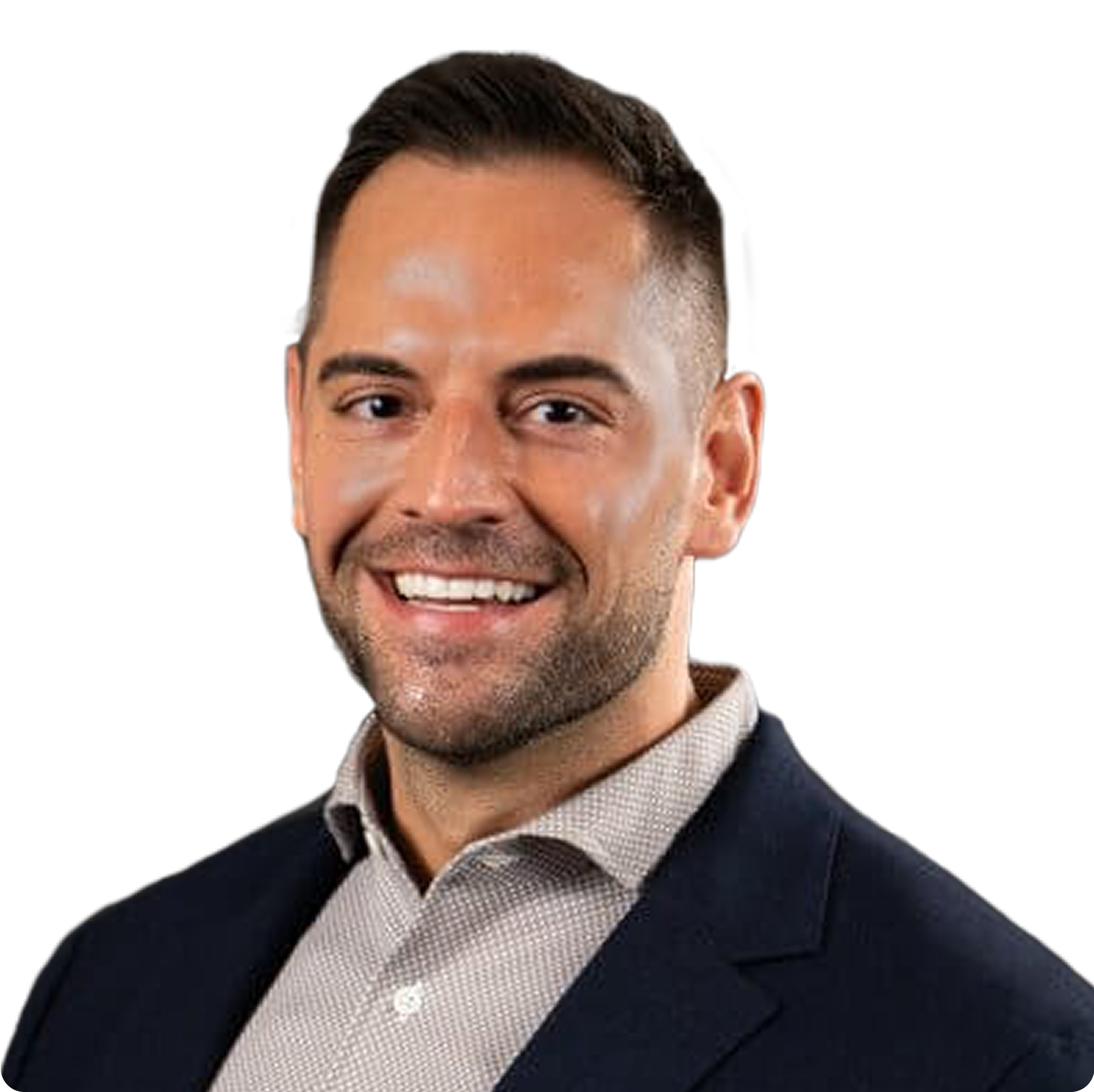
We were joined by Brittany Keeler, a centralized Customer Accounts Manager at Cardinal Group Management, to hear about the team member experience moving from an onsite to a centralized role, and what it takes to be successful working at scale.
Here’s what stood out from our conversation.
.svg)

Takeaway One: Centralizing Resident Services Improves Quality and Lowers Costs
%20(1).avif)
Two themes rose to the top of our live poll: operators looking to centralize their resident services are predominantly motivated by improving service consistency and reducing payroll expenses. Centralized admin teams allow operators to standardize processes like collections, renewals, and financial reporting across entire portfolios, all of which is made easier by having a smaller, more focused team managing the processes.
This consistency not only strengthens performance but also ensures residents receive uniform, reliable service. At the same time, consolidating administrative work reduces headcount needs on site, creating measurable payroll savings. By shifting these functions centrally, operators can reduce costs and elevate service quality simultaneously, a powerful combination in today’s competitive housing market.


Takeaway Two: Automation Filters Routine Work Before It Reaches the Team
One of the biggest enablers of centralized resident services is automation. AI-powered tools like Delinquency and RenewalsAI now handle routine, repetitive communications like rent reminders, payment plan updates, and renewal follow-ups around the clock.
By filtering out the bulk of this volume, automation ensures centralized teams aren’t bogged down by simple requests. Instead, specialists spend their time on exceptions, escalations, and higher-value financial tasks that require judgment and nuance. The result is faster resident responses, fewer missed touchpoints, and more efficient workflows. In short, automation ensures centralized teams scale effectively without being overwhelmed by the volume of daily resident interactions.
Takeaway Three: Specialized Structures Support Scalability
.avif)
Creating a centralized resident services team requires thoughtful structure. Best practices suggest maintaining one supervisor for every five to seven specialists to balance oversight and coaching. Depending on the portfolio and level of automation, each specialist can manage 1,200 to 2,000 units across multiple communities. Success often depends more on soft skills - like time management, adaptability, and proactive communication - than purely financial expertise.
Many operators launch 90-day pilots by transitioning assistant managers into centralized roles, leveraging their familiarity with processes. This structured approach ensures scalability while giving team members clear responsibilities and growth opportunities. Just be sure that those former ACMs understand that the nature of their role has changed. Past manual processes are being automated to allow them to scale. Addressing this up-front ensures “that’s the way we’ve always done it” doesn’t become the norm in your central operations.
Takeaway Four: Standardization Builds Trust
Standardization is one of the most powerful outcomes of centralizing resident services. When a limited number of specialists handle tasks like eviction documentation, renewals, or variance reports, the process becomes uniform across dozens of communities. This consistency makes reporting more reliable, reduces disputes, and improves the quality of information flowing to regional leaders. Brittany emphasized this during the conversation, noting how, “Having 20 specialists handle disputes and reports is far more consistent than 50 different communities doing it on their own.”
Onsite teams also benefit from knowing that tasks are being completed to the same standard across the portfolio, creating alignment and reducing friction. Over time, this builds trust between centralized and onsite teams while providing residents with a smoother, more predictable experience.
Brittany’s Insights: From Onsite to Centralized Leadership
Brittany Keeler’s journey from onsite Community Manager to Customer Accounts Manager offered an inside look at the employee experience. She emphasized three key insights:
- Remote flexibility attracts and retains talent – Brittany shared how moving into a centralized role allowed her to focus on numbers and reporting, work she excelled at, while enjoying the flexibility of remote work. After working and living onsite for years, joining a central team allowed Brittany better balance in her work & professional life.
- New roles require adaptability – Centralized functions evolve quickly. Brittany stressed the importance of being open to feedback from onsite teams and adapting scopes of work as needs change. As centralized support grows to include new communities, asset types, or ownership groups, services may need to adapt. And team members should
- Scaling happens quickly – Brittany shared how, “In our first year we processed 9,000 financial move-outs. Now we handle nearly 25,000. That kind of scale just isn’t possible without a centralized team.” This spoke to the pent-up demand for support among onsite teams as well as an example of the type of work better managed by specialists who ensure consistency in processing efforts.
Brittany’s last piece of advice for operators building centralized roles: “Don’t be afraid of change or feedback. Some of our biggest improvements came directly from the conversations we had with onsite teams.”
What’s Next in the Series
In our next webinar, we’ll cover how maintenance services and communication are evolving with centralized support and new technology. We’ll chat with Carlos Castillo, a Corporate Trainer with Villa Serena Communities on what it’s been like to introduce new technology to Maintenance Technicians and the change management required to make it successful.
Looking ahead, we’ll welcome more guests including Michele Crochetiere from One11Advisors and Hope Dunleavy from Real Foundations to talk through organization considerations like centralized tech stacks, bill backs, and change management strategies.
All this is leading up to our Centralization Summit in Dallas, Texas on September 25th. Request your attendance today to join the conversation.